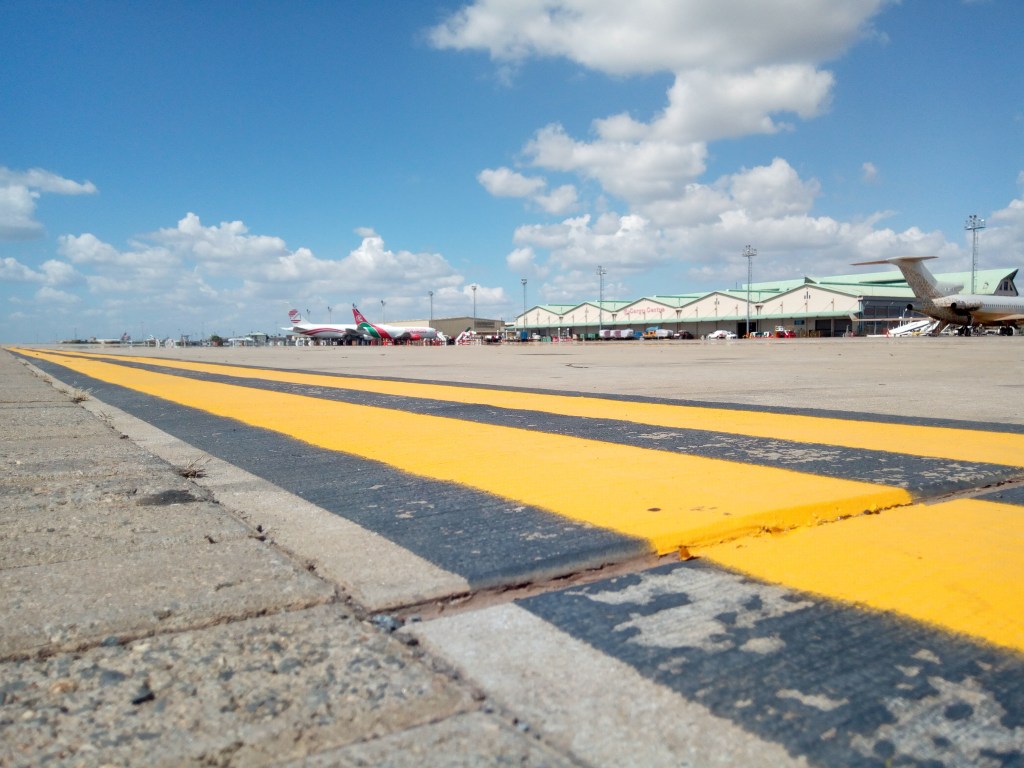
This part of the story intends to highlight candidly the experiences and challenges which people have encountered in the course of pursuing this career.
Just like many paths lead to the river so are the paths which have led people onto this field of practice.To a considerable number, inception of the idea resulted from an ambition to be part of an industry which is popularly associated with unlimited travel privileges around the world and a well paying job. In such cases, the first option which comes to mind most often is piloting. But this is an expensive course for many average families and therefore taking the next option becomes inevitable; thus, the struggle begins.
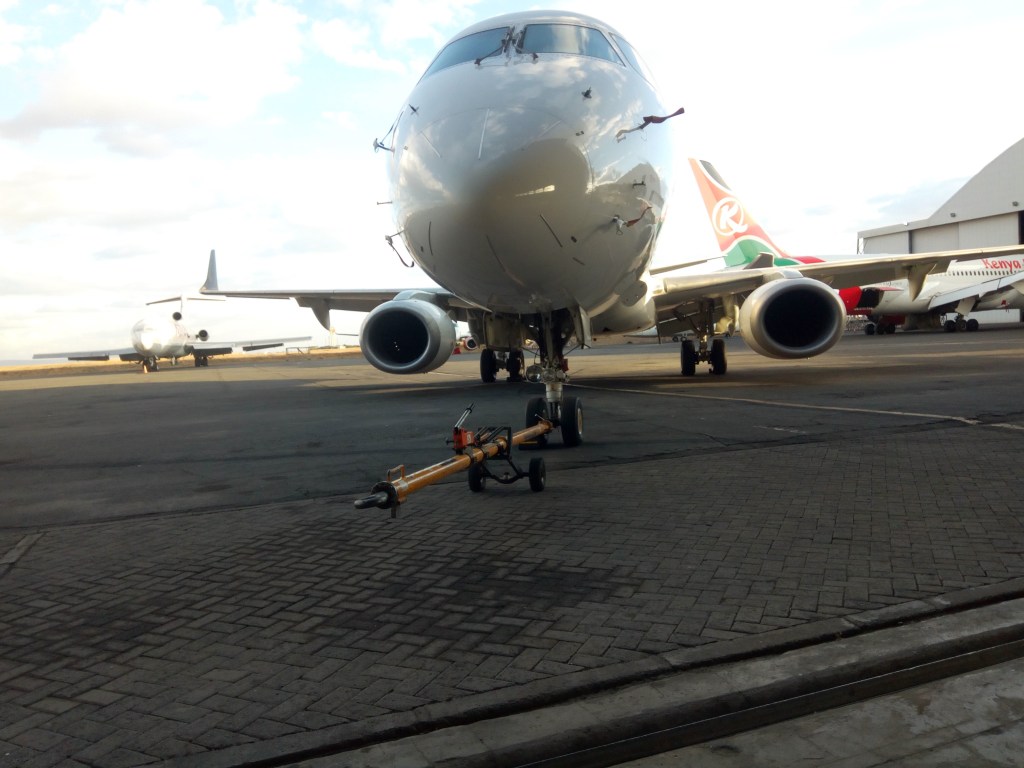
Aviation is a highly regulated industry with exceptionally high safety standards. These impose a demand for high skills, a sense of good judgement, integrity, and high levels of alertness to those working in the industry. A simple mistake here could translate to very costly consequences or loss of lives. For this reason, activities in aviation are normally carried out in accordance with established procedures; documented in various aviation publications to eliminate probable errors.
Aircraft maintenance is one of the most sensitive roles in aviation. It comprises of a series of functions carried out by teams of professionals from several engineering departments. Each of these departments contributes a vital function to the effective maintenance of the aircraft in order to achieve established airworthiness requirements; necessary to ensure continued safe operation of aeroplanes.
We already highlighted the various categories of aircraft maintenance engineers in an earlier post. Check it out here, in case you missed it. https://wp.me/pa73NS-p. A degree is required for Planning and Development engineers and Senior management positions within the engineering department; while for the rest, a college diploma usually suffices. Generally, the former group deals with aircraft maintenance engineering data, publications and records while the later carry out the hands-on/physical work on aircraft and their components.
School
The purpose of this is to equip students with basic engineering knowledge. It’s not an easy stage, but it is manageable. An unfortunate fact, however, is that not everyone makes it out having passed all the subjects. Part of the course requires students to be attached to engineering departments of aviation companies in order to gain some practical knowledge before completion of theoretical studies. Some institutions do help students to get these.

We can’t end this conversation about school without mentioning Engineering Mathematics. This is also part of the syllabus, and usually one of the most challenging subject to some students. After school, however, some maintenance personnel protest to having done it, based on how rare it is to practically apply most of the concepts in the field.
Post school
This is where paths divert for the few individuals who make it out of school successfully. At this stage, each one has to find a way to be absorbed into the industry on their own. An ideal pathway normally would be starting as an intern, apprentice or graduate trainee (for university graduates) for few months in order to gain more knowledge and skills about the trade. Fresh graduates cannot be entrusted to perform maintenance duties independently, but can only be guided to perform limited tasks gradually under strict supervision of experienced and appropriately rated engineers. A while later after experience and competency of an individual can be proved then they can be considered ready for employment as maintenance staff.
Realistically, however, civil aviation in Kenya has been somewhat stagnant over the past decade, making it seem like a wild gamble to pursue the available few vacancies. Therefore, things don’t usually turn out as expected for every graduate, and instead the the following trend has been occurring for several years now:
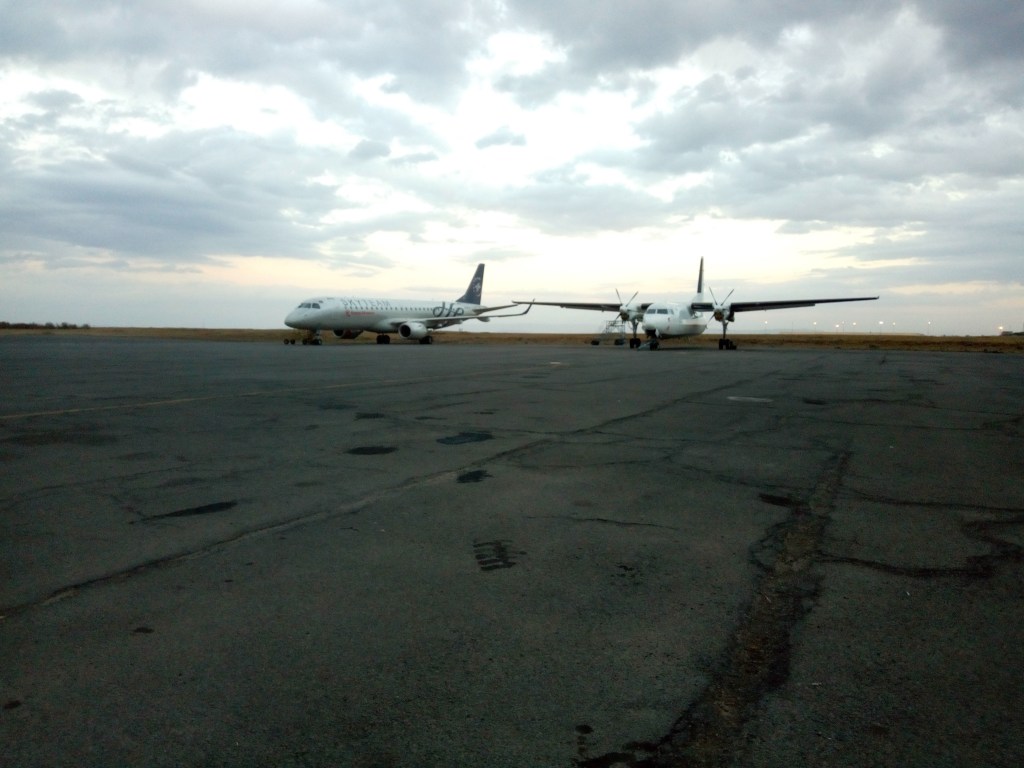
Some graduates seek internships for a long time to no avail. Quitting becomes unavoidable after several fruitless years and they end up pursuing other alternatives.
Others manage to get one off internship or temporary contracts for few months, after which doors just shut for good.
Luck falls on few, who get internship and after some months their bosses see the need to retain them, or a different company recruits maintenance technicians and absorbs them.
Another few manage to be recruited as apprentices or graduate trainees (university graduates), then proceed to be absorbed in the workforce. Such initiatives however, can only be managed by well established companies and usually only open to local citizens. At present, Kenya Airways and Jambo jet are the only local airlines which recruit through these two programs for their engineering departments. The programs are designed to take the candidates through further theoretical and practical (On job training) for a period not less than 24 months before they can be deployed in the field for their specific roles.
The military also claims a fair share of aeronautical engineering graduates. In fact, a quick survey we did before publishing the first part of this story, revealed that from 2013 to date, civil aviation and the military have shared the number of all employed aeronautical engineering graduates almost equally.
Foreign airlines, especially ones from the middle east have also contributed largely to the creation of vacancies locally. The companies poach experienced and talented workers from local companies, leaving behind slots for young aspirants to fill.
Lastly, some people attend different courses and somehow end up in the field of aircraft maintenance. We can not afford the space to highlight examples here, but most companies have got at least few. Some of these have managed to grow in the field through hard work to management ranks.
Post employment
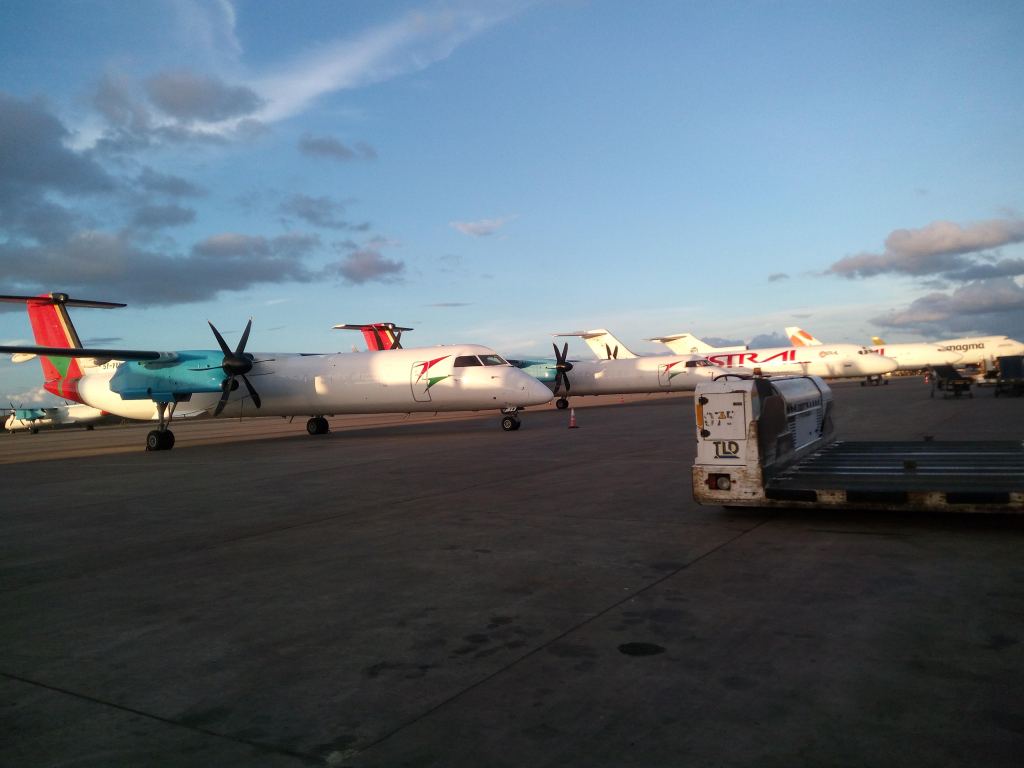
Whether it is happy ever after or a mere glow at the end of the tunnel, depends on the management culture of the employer.
Some companies have excellent human resource practices, while others consider employees like expendable tools to help the company make profits at the least expense. Nobody would wish to be associated with the later, but sometimes we just don’t have the power to dictate our own fate.
Good human resource management: Appreciates contributions of employees to the company, understands employee needs and meets them from a humane perspective, compensates staff fairly, encourages growth by providing trainings and promotions, have good communication structures which enable employees to access information easily and timely and above all, has integrity. A couple of airlines have got managements which practice this culture. Here, things are done according to recommended standards and employee needs are closely observed and met. Staff are furnished with an enabling environment and career growth is highly encouraged. Being part of such organizations is highly desirable, but unfortunately these can only accommodate limited numbers of staff, depending on their individual scopes of operations.
Contrary to the above, in Kenya, there has not been established a standard wage rate for aviation workers. For this reason, and in addition to the high rate of unemployment, some private airlines keen on maximizing profits, have been taking advantage of this loophole for years. Such companies hardly employ enough staff for the available amount of work. The employed few are severely overworked and underpaid. To cater for the deficit, these companies usually hire interns or contracted manpower during periods of high demand for labor. Besides these, the little wages owed to workers sometimes are disbursed inconsistently, forcing the employees to survive on a hand to mouth kind of lifestyle. Interns are never paid any stipend, but are required to work like regular employees at their own cost despite the fact that the company would be making huge revenues in terms of profits. Moreover, the low number of engineering staff would not allow them the luxury of working in shifts; and therefore working overtime through unsocial hours, weekends and holidays is a normal routine and also never compensated for in any form. Working in such companies takes a great amount of energy and time from employees, causing them constant fatigue and rendering most of them social and economic failures.
Aviation is like a plague. Once you start practicing it there is only hunger to perfect your skills. Quitting is usually the last option in mind. People who endure the above working conditions usually have hope for a better future, which eventually comes for some. Few of the rest manage to adapt in their own different ways and hold on to the only job they have and others end up following better options elsewhere.
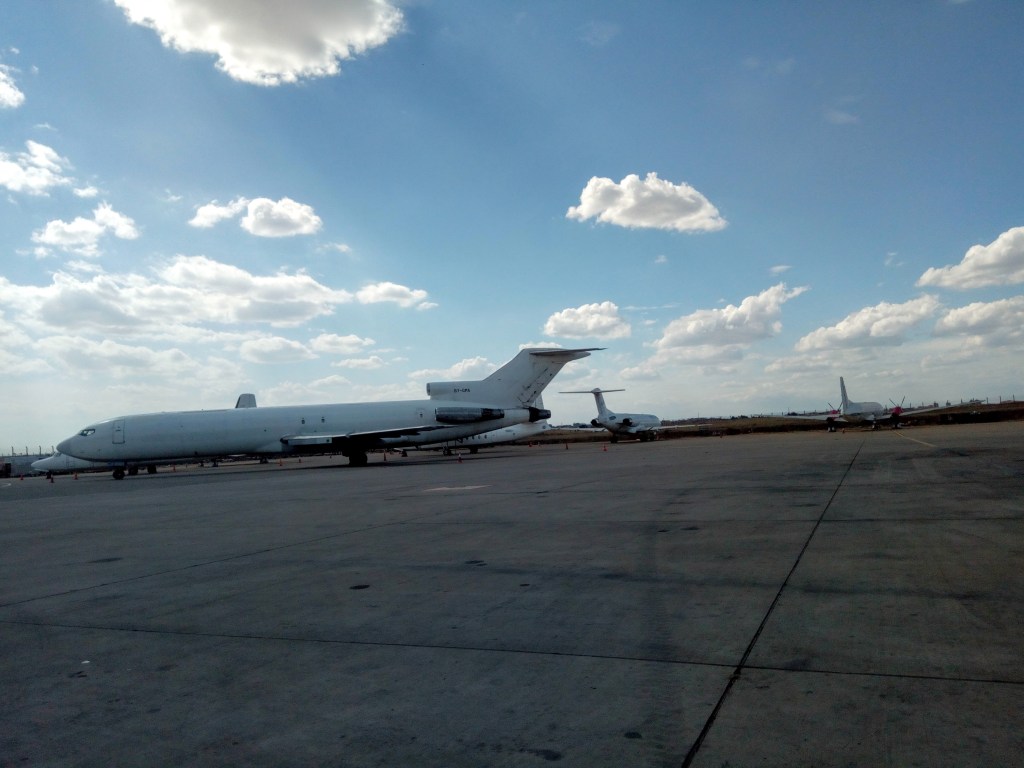
Duty times is also an issue worth noting. working long hours consistently affects performance and the general health of workers over time. Humans are social beings and need rests after consecutive periods of work. Working in the field of aircraft maintenance subjects individuals to physical and mental stress as well as exposure to noisy environments and sometimes harsh weather conditions. Exposure to these elements over extended periods greatly reduces the ability to make reasonable judgements and to perform tasks effectively. Authorities require employees to relieve staff off active duty should they exceed the recommended duty times, as a safety measure both to aviation and the health of the workers. Some companies adhere to this requirement while others turn a blind eye to it quite often.
The above problem of employees working long hours arises due to lack of enough staff for the available workload or just poor human resource planning. In aviation, pressure to have people constantly working arises from the fact that airplanes need to be constantly flying and always maintained in an airworthy condition. Aviation does not sleep or rest, and neither does it break for holidays. Planes on ground invoke costs or losses to the owner or operator. This is not desirable, and consequently translates to demand for maintenance staff to attend to the airplanes throughout their operational lives. Engineers spend more time working on planes than the times they spend on their social lives. There is usually no guaranteed weekend , holiday or festive seasons to maintenance staff. Moreover, working long hours is common whenever airplanes are in for maintenance or when a malfunction develops at times when the aircraft is scheduled to fly.
Lastly, another challenge worth mentioning is that of working in companies which are owned and run by sole individuals or families. Running an airline is expensive, and sometimes management could be too inclined to make do with limited resources to the point of compromising on staff needs. In such companies, a rift is usually created between top management and regular staff, with junior management acting as the bridge. This cuts off direct communication between top management and regular staff. Opinions and concerns of regular employees don’t usually matter. This type of structure gives management a dictatorship type of authority to effect decisions at will and without compromise, hence causing uncertainty in the tenures of all employees. Sometimes survival here for managers means employing sabotage tactics or constantly engaging in cold battles to prove efficiency to the bosses. Unjustified termination from work is a looming reality here for regular employees and job security is determined by demand or allegiances to influential managers.
Career advancement
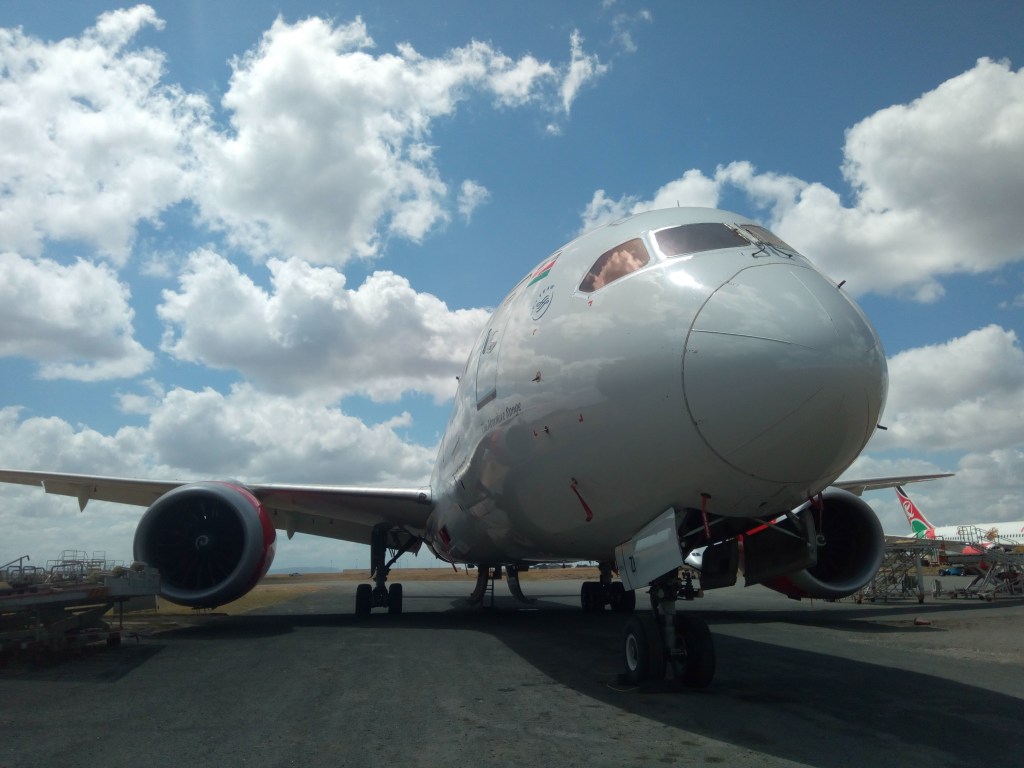
The next step after settling into employment is to advance one’s career. The way to do this is to learn critical skills of trade and obtaining certifications, licenses or ratings. Possession of these increases the worth of an individual to the company as it means bearing more critical responsibilities. This in turn effects an increase in the individual’s pay. Getting these, however, is usually not a simple task, and neither is the opportunity to attempt a licensing exam or attend any trainings guaranteed.
To attempt a basic license exams, the authority requires submissions containing signed proof of working experience and employment in an operational airline. These are to be accompanied by a fee, after which the authority reviews the submitted apllication in order to determine whether to invite the applicant to book an exam or not.
Type trainings of specific aircraft models are much more expensive, ranging between hundreds of thousands to several millions. Most times these are usually sponsored by companies when need arises. Individuals can also cater for their own costs if capable. For the former option, there is usually some company politics involved in the nomination of attendees for several reasons including; training costs, company interests and regulatory requirements.
Travel
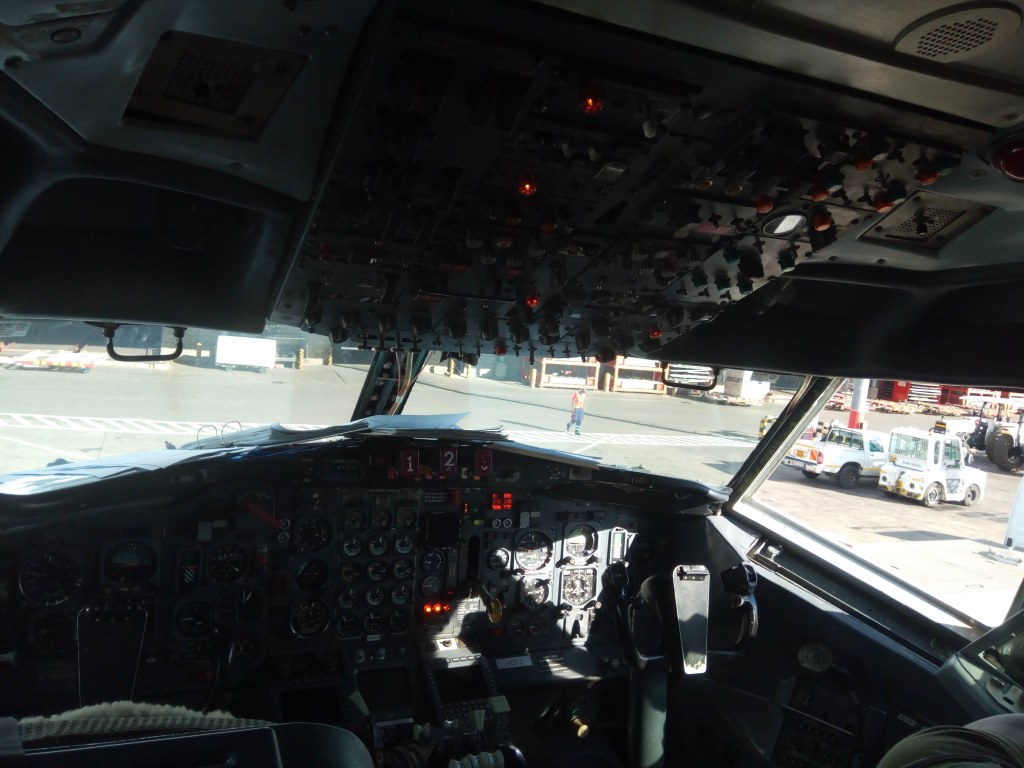
As an employee of an airline, traveling on planes could be a near daily routine or occasional. The former applies when one is scheduled to accompany flights regularly as an accompanying engineer; and usually has some pros and cons.
The pros are more popular and they include; financial benefits in terms of allowances, getting to visit numerous destinations, meeting and interacting with people from different cultures and the chance to see the world from a bird’s eye view.
The cons can be attributed to fatigue, inconveniences, unprecedented malfunctions, risks and sometimes disruptions to family ties.
Flight crews movements to and from the airports happen at any time of the day, depending on flight schedules. Flight delays also due to technical reasons also occur quite regularly. This makes it difficult for flight crews to have consistent schedules for personal or social reasons.
Planes can, and do develop malfunctions or snags while in any phase of flight. This is one of the most unwelcome occurrences to engineers when accompanying flights, as it is them who bear the responsibility to fix the plane when it lands so it can fly back home safely. Accompanying engineers also do liase with the flight crew in determining the next course of action whenever planes develop problems in flight.
In addition to the above, flying is risky. we all know of at least one or two plane accidents. Incidents also occur with the potential to inflict serious injury to aviators. Another risk lies in the routes or destinations where planes fly to. Cargo airlines are fond of transporting different types of freight to or from destinations which would be considered quite risky.
Retirement
Engineering is like a chronic illness to its practitioners. Age is considered experience. There exists some truth to this. It is common for engineers to retire from one company and few weeks later they are working in another. I do not advocate for this, for the sake of young people who also need an opportunity to develop their careers, but it is a reality. People in their 70s are still working actively in the field. Years of perfecting a single craft coupled with limited time to exploit other fields confines one to that particular trade only.

 Aviation Talk