The hustle of pursuing an employment based career is real. It is widespread across most career fields and all over the world. An unwelcome fable to the young and ambitious, and a tormenting reality to thousands of unemployed graduates.

The aim of this story is not to discourage anyone from pursuing a career of their dreams, as most of the challenges likely to be encountered in pursuit of any employment based career are almost similar. Aviation is a topic of interest to many, and therefore the intent is only to share general experiences of some of those already working in the field to anyone interested in the subject. However, before we can get to the topic, this first part of the story will try to share some general views with regards to the current situation of the labor market in the country.
Experiences and opinions differ and there will always be two sides to every story. Everyone who is either in employment or business trod a different path to reach where they are now. To some, the path might have been long, others short, some saw an opportunity in a different field and just took detours from whatever they were pursuing, others took shortcuts and some had people to drag them up the trail. Each one of these individuals has a unique experience which could turn out to be a whole different story to someone else who might choose to follow a similar route to anyone of them. Therefore readers should not use the views implied in this article alone as the basis for making any life changing choices. It is always prudent to seek a variety of professional advice before making any such decisions.

Life is an event in which every outcome is governed by laws of probability. The choices we make usually have several possible outcomes, whose probabilities are directly affected by time and the ever changing environment. The effects of these two can be so pronounced some times that the probabilities can be increased to almost infinity or reduced to near randomness or chaos. Probability can be a boring subject so let us just have an obvious example of the latter: Back in the 1990s or even early 2000s, choosing to pursue a degree or diploma would almost automatically guarantee a senior position in many organizations and even the government. Today, many unforeseen outcomes riddle the end of that path. Circumstances have forced degree and diploma holders to become touts, construction workers, hairdressers, commercial sex workers, taxi drivers, cyber criminals, etc. The list is inexhaustible.

So, what went wrong?
The beginning of the past two decades, saw the world population increase significantly and technology advance to a great extent. These two had a significant impact on lifestyles and settlement patterns in developing countries. Urban populations increased due to improved facilities, and the need to embrace modern lifestyles. This caused a shift in the country’s work force to urban centers, depriving rural areas of a fair share of productive youth. The consequence of this was an increase in the demand for basic commodities in towns and consequently a sharp rise in the cost of living. Numerous vacancies which were initially readily available quickly got filled up and the populations kept on rising.
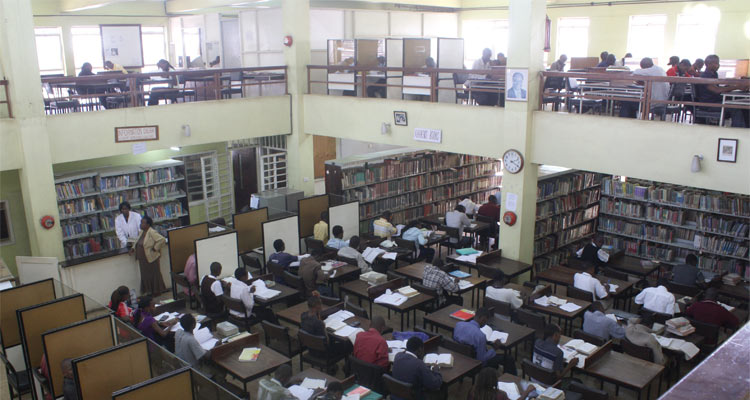
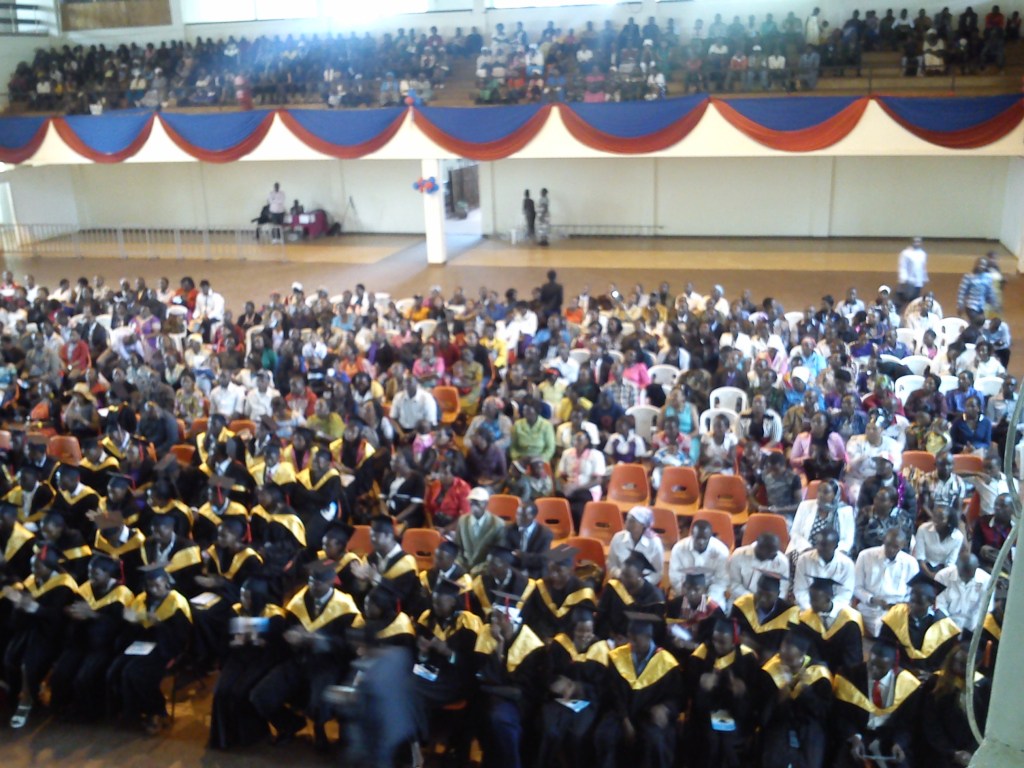
A crisis was now looming and to become any more suitable for employment, it became inevitable to acquire professional skills. The race for the youth to join tertiary institutions began, presenting a business opportunity to tertiary institutions. Many were brought up in every town to accommodate the increasing demand, and the result was a near exponential increase in the annual number of college and university graduates. These numbers greatly surpassed the rate at which more vacancies could be created and so the problem began.
Sometime later, Kenya experienced several periods of political instability accompanied by ethnic clashes. This aggravated the situation further, as it caused the closure of some companies and businesses, and caused yet another wave of migration of non locals from rural towns to the capital and other major towns.
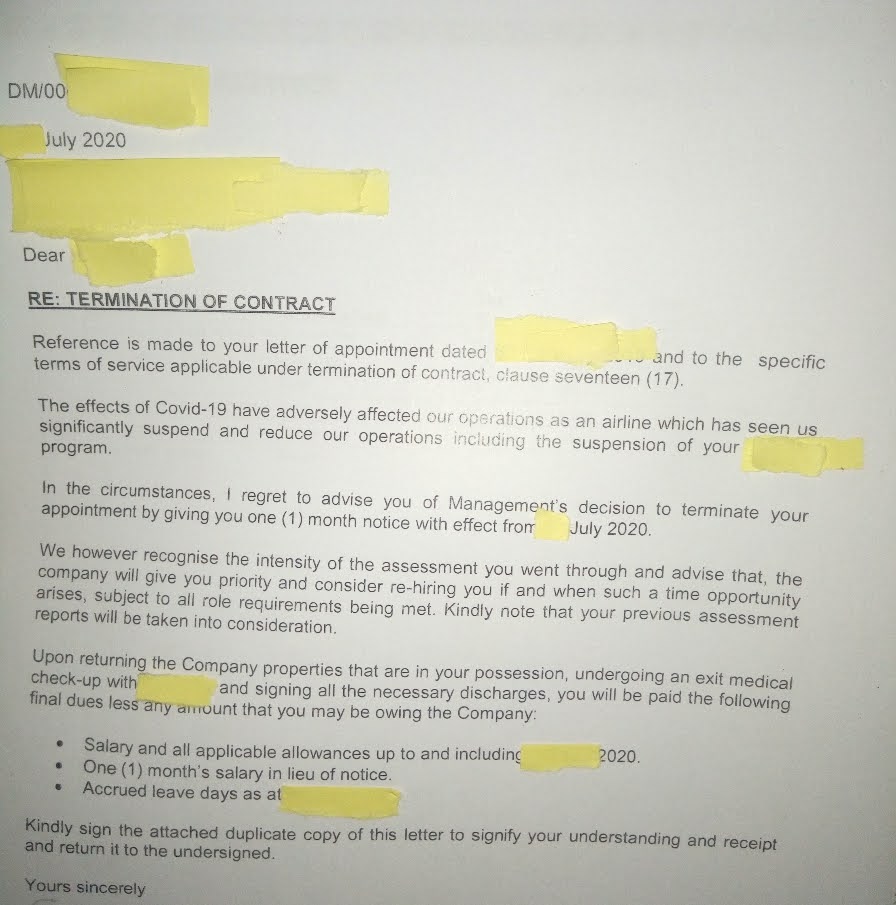
At present, the situation is even more chaotic courtesy of Covid-19 which caught the world off guard and wreaked panic across the entire globe. Aviation was among the industries which were greatly affected by the pandemic. Job layoffs were effected across the world as a cost cutting measure, causing the number of the unemployed to swell even more.
The future is however promising, as airlines seem to have crawled back to near normal operations with some of them even expanding their fleet and operations.
Despite all the above, the cycle continues every year; with thousands joining tertiary institutions, thousands graduating, few getting employed and majority tarmacking everyday searching for jobs.
To avoid getting trapped in this vicious cycle, more young people should consider undertaking courses which equip them with entrepreneurial skills rather than pursuing employment based courses. The world at present needs more investors than it does need employees.
However, should it be necessary to take on an employment based career, then it should be supplemented with some business skills. These will come in handy somewhere along the way. Unless one wishes to be an employee for their entire working life.
After this, extensive and factual research should be conducted into future industry projections before embarking on the desired course of study. Advise alone, pursuit of dreams, or passion for a career are no longer reliable determinants. Those years are long gone. An attempt should be made to analyze the career itself and how much it demands of an individual, and future industry projections in terms of growth and labour demand.
Networking with groups of people in the career field of interest is also important. Their experiences can shed some light into what exactly one would be getting into and what they would be settling for, should they choose to pursue the same course.
Equally significant, planning for the journey and the means to get there can save one from an unprecedented hustle. It is also wise to ensure that the career path to pursue has alternatives up ahead, just in case things fail to work out as planned.
Finally, schools are businesses and will always be in need of more customers (students). Ample research needs to be done on these too before enrolling in anyone of them. Many naive youngsters have been lured into joining institutions with enticing stories of few successful alumni currently doing well in the job market. Nonchalant to them being that the successful few could be two or three in a hundred whom the institutions never talk about. Moreover, individual success stories of the lucky few remains only known to them. Many have fallen for such narratives and ended up regretting later on. Greed, competition for business and cost saving have caused some of the institutions to compromise on the quality of education they offer, rendering their graduates incompetent or unemployable.
With the above in mind, we hope all young readers intending to join tertiary institutions will make the right choices; and we wish the best of luck to graduates out there who are still searching for jobs.
For everyone who lost their job due to Covid-19, we hope a second chance will come up soon enough.

 Aviation Talk