Ever developed curiosity for any reason about the work that aircraft maintenance engineers do? Well, this article intends to explain this subject so read along.

The term Aircraft maintenance engineer or aeronautical engineer, is oftenly used casually to refer to an individual working in the aircraft maintenance department of an airline. I used the term ‘casually’ because not all individuals who participate in the aircraft maintenance duties bear the title of an Engineer. An aircraft engineer is a person who is licensed by an aviation authority to perform specified maintenance tasks on the aircraft and some of the on board systems within the scope of their certification, and consequently issue a certificate to release the aircraft or aircraft system back to service after completion of the tasks. A certificate of release to service (CRS) is an important document because it serves as signed proof by the person responsible that any maintenance tasks carried out on the aircraft was executed with reference to the appropriate procedures and in accordance with the current aviation regulations. An individual who is not yet licensed can be referred to as an aircraft technician. Technicians can only perform maintenance tasks but cannot issue a (CRS) pertaining to the work done; however, they can undergo training on a particular aircraft or aircraft system and be granted an approval or an authorisation to sign off limited tasks on that specific aircraft or system.
It is difficult for a single individual to fully understand all aircraft systems, and therefore aircraft engineers do specialize in the maintenance of specific aircraft parts, systems or components.
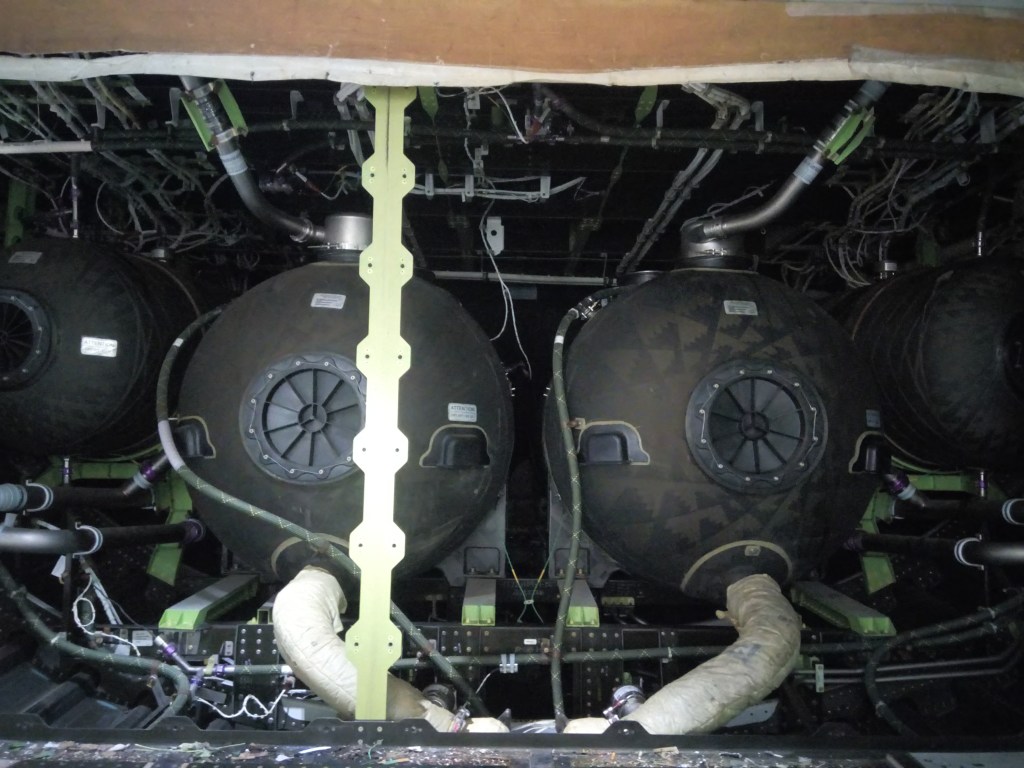
In general, careers in technical fields require those working in the fields to specialize in specific areas in order to relieve the workload per individual so they can perform their designated duties effectively. Specializing also promotes vast understanding of the specific areas and hence further studies can be conducted thus resulting in further improvements or upgrades to the systems.

The various areas of specialization in aircraft maintenance can be classified into; those which involve direct contact with the aircraft, those which involve working on aircraft components or systems only while the third involves working in an engineering office without any or with minimal contact with either the aircraft or its components.
How to become an AME
To attain the title of a Licensed Aircraft Maintenance Engineer, first you need to attend an engineering course in an approved institution. After graduating you then find an internship to help you gain practical experience based on which you can then secure a position as an aircraft technician. From here you then have to compile worksheets as proof of experience over a given period of time then apply for licensing exams at the aviation authorities which you must pass in order to change your title to an aircraft engineer.
What it means
Bearing the title ‘Licensed Aircraft Maintenance Engineer’ means that you take responsibility of any maintenance action undertaken within the scope of your license category. You risk serving a jail term, loosing your license, loosing your job, paying a hefty fine or all the above should you commit any violation against aviation maintenance procedures.
Categories of aircraft engineers
The different categories of aircraft engineers are:
Airframe and Powerplant (Engines) engineers
Avionics engineers
Development engineers
Planning engineers
Aircraft structures engineers
Besides these, there is another category of engineering personel who work in components workshops to maintain various aircraft components as well as performing specialized maintenance tasks. These too undergo years of training and specialization in order to perform their duties effectively. Their roles are equally critical to the safe operation of an aircraft.
What exactly do they do?

Just like the Bible is a manual of life to Christians or the Quran to Muslims, so are Aircraft Maintenance Manuals (AMM) to aircraft engineers. There are several of these, each one of them serving a specific maintenance function, but for sake of simplicity, we will just use the term ‘AMM’. A team of planning engineers generate maintenance schedules from the maintenance planning document. The aircraft is then brought in for maintenance. There are a number of tasks to be performed per each scheduled check and each task is presented to the engineers on its own work card which would also contain specific AMM reference/s. The AMM references guide the engineers to specific locations in the AMM containing procedures on how to accomplishing individual tasks on the aircraft. At the end of each task the work card is signed by an authorized/approved certifying engineer to certify that the work has been done in accordance with the required procedure. A final document called the CRS (Certificate of release to service) is then signed by a senior engineer after all the cards have been completed and signed. The aircraft can now be returned to service and the signed cards accompanied with one copy of the CRS are taken to records department. Another copy of the CRS is carried on board the aircraft as proof that the aircraft is serviceable.
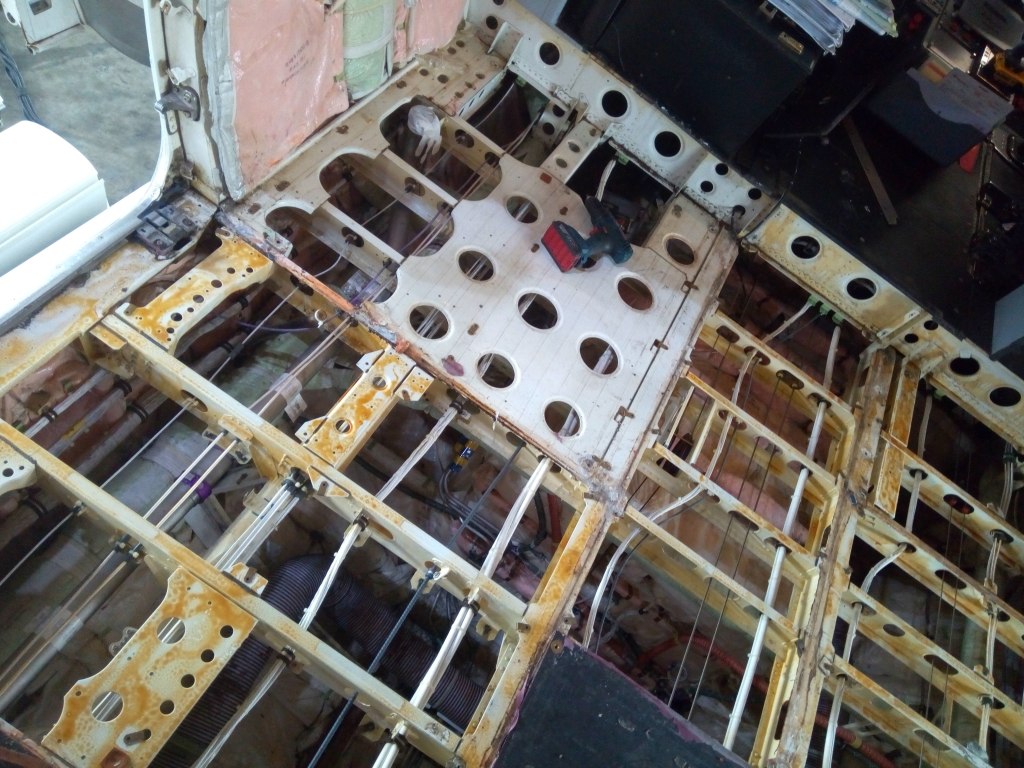
Should a fault be found on the aircraft before the aircraft is due for scheduled maintenance, then a non routine work card is raised, the defect rectified in accordance with the appropriate manual and a CRS issued soon as the aircraft is ready and safe to fly again.
Well, atleast now you are quite informed.

 Aviation Talk